
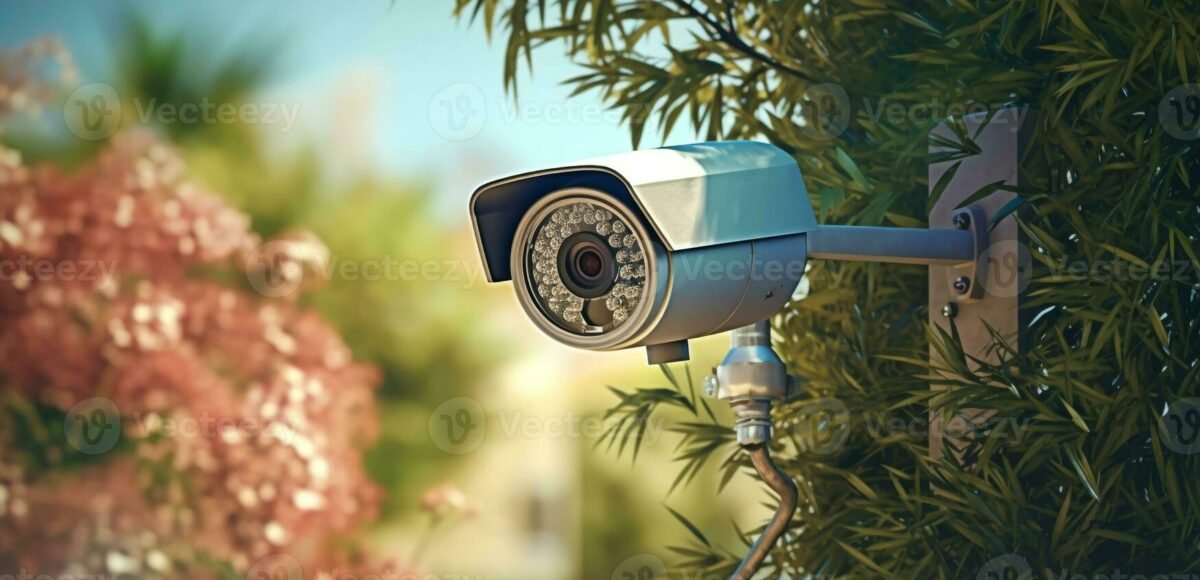
In today’s fast-paced world, security has become more important than ever. Whether it’s for homes, businesses, or public spaces, CCTV cameras play a crucial role in keeping areas safe and monitored. But have you ever stopped to wonder how CCTV cameras actually work?
In this article, we’ll break it down in simple terms—no tech jargon, just clear answers.
What is a CCTV Camera?
CCTV stands for Closed-Circuit Television. Unlike broadcast television, it doesn’t send signals publicly. Instead, the footage is transmitted to specific monitors or recording systems, making it a closed loop—hence the name.
These cameras are commonly used for:
- Monitoring public areas
- Keeping homes secure
- Preventing theft in stores
- Managing traffic and transportation hubs
The Core Components of a CCTV System
A standard CCTV system consists of the following parts:
1. Camera
The eyes of the system. Cameras capture visual data, either in black and white or color, and can work in low-light conditions if equipped with infrared (IR) technology.
2. Lens
The lens focuses light onto the image sensor. Different lenses offer various zoom levels and angles, allowing users to monitor wide areas or zoom in on specific spots.
3. Image Sensor
Once light passes through the lens, it hits the image sensor—either CCD (Charge Coupled Device) or CMOS (Complementary Metal Oxide Semiconductor). This sensor converts light into electrical signals.
4. Digital Video Recorder (DVR) or Network Video Recorder (NVR)
- A DVR is used with analog cameras.
- An NVR is used with IP (internet protocol) cameras.
Both record and store footage for later viewing.
5. Monitor
To view live or recorded footage, a monitor is connected to the system. It can be a computer screen, TV, or even a mobile device.
How the System Works Step by Step
Here’s a simplified breakdown of how a CCTV camera system functions:
- Recording Starts: The camera captures footage continuously or when motion is detected.
- Signal Transmission: The footage is sent to the DVR/NVR via cables (in analog systems) or over the internet (in IP systems).
- Data Storage: Video files are saved on a hard drive for future reference.
- Remote Access: Many modern systems allow users to view footage remotely through mobile apps or web browsers.
- Playback & Review: If an incident occurs, footage can be reviewed to identify what happened and when.
Types of CCTV Cameras
CCTV isn’t one-size-fits-all. Here are a few common types:
- Dome Cameras: Ideal for indoor use; discreet and tamper-resistant.
- Bullet Cameras: Long and cylindrical, great for outdoor surveillance.
- PTZ Cameras: Can Pan, Tilt, and Zoom for flexible monitoring.
- IP Cameras: Use the internet to transmit data, offering higher resolution and remote access.
Benefits of Using CCTV Cameras
- Crime Deterrence: Just the presence of cameras can prevent illegal activity.
- Evidence Collection: Recorded footage can support investigations.
- Peace of Mind: Know your property and loved ones are being monitored.
- Employee & Customer Safety: Useful in commercial settings to ensure safe environments.
Final Thoughts
Understanding how CCTV cameras work doesn’t require a tech degree. It’s all about capturing, transmitting, and storing visual data for security purposes. Whether you’re considering installing a system at home or just curious about how surveillance technology functions, knowing the basics can help you make informed decisions.