
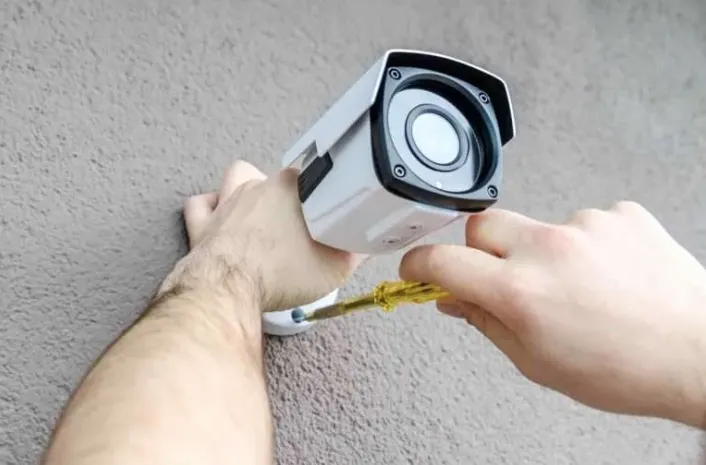
When considering a surveillance system for your home or business, one common question comes up:
Can CCTV cameras work without a power supply?
The short answer? Not really — but there are exceptions.
Let’s break it down and explore what happens when the power goes out, and how you can keep your cameras running even when the lights go off.
Why Power Matters for CCTV Cameras
CCTV systems rely on electricity to function. From capturing video to storing footage and transmitting data — every part of the system needs power. That includes:
- The camera lens and image sensor
- Infrared LEDs for night vision
- DVR or NVR units that record and store footage
- Wi-Fi routers or PoE switches, in the case of IP cameras
So if there’s no power, standard CCTV setups simply stop working — unless you’ve prepared for that scenario.
Are There Cameras That Work Without a Direct Power Supply?
Yes, there are solutions for power-independent surveillance. Here are a few options:
1. Battery-Powered CCTV Cameras
These cameras come with built-in rechargeable batteries, allowing them to operate without being plugged into a wall socket.
- Ideal for: Remote locations, temporary setups, or areas where wiring is difficult.
- Pros:
- Easy to install
- Portable and wireless
- Often come with motion detection to save battery
- Cons:
- Limited recording time
- Needs regular recharging
2. Solar-Powered Cameras
Combine a battery-powered camera with a solar panel, and you’ve got a self-sustaining system that can run for months — even years — with minimal maintenance.
- Perfect for: Farms, driveways, gates, cabins, or off-grid surveillance.
- Key benefits:
- Eco-friendly
- No dependency on the power grid
- Works during blackouts
Note: Most solar cameras store excess energy in internal batteries to stay active at night or on cloudy days.
3. UPS (Uninterruptible Power Supply) for Wired Systems
If you’re using a traditional wired CCTV system, a UPS backup can keep it running during a power cut.
- How it works:
It provides temporary battery power to your DVR/NVR and cameras when the electricity goes out. - Lifespan:
Depending on the UPS size, you may get 30 minutes to several hours of backup time.
4. Power over Ethernet (PoE) with Backup
If you’re using IP cameras, they may get power through a PoE switch. Connect this switch to a UPS or backup battery system, and you’re covered even during outages.
What Happens to Your Footage During Power Loss?
- Without backup: Cameras shut off, and recording stops immediately.
- With backup or battery: Footage continues to be captured and stored—either locally on an SD card or in the cloud.
If your system includes cloud storage, your footage may still be accessible later, provided your internet and camera stayed powered during the outage.
How to Make Your CCTV Power-Outage-Proof
- Use battery or solar-powered cameras for backup.
- Install a UPS system for wired setups.
- Enable motion-triggered recording to save power and storage.
- Choose cloud storage options to avoid losing data locally.
Final Thoughts
To answer the question:
Can CCTV cameras work without a power supply?
Not by default — but with the right planning and hardware, you absolutely can keep your surveillance running when the power goes out.
Whether you go for battery-powered, solar-driven, or use a UPS for your existing setup, there’s a solution for every scenario. Security shouldn’t go dark just because the lights do.