
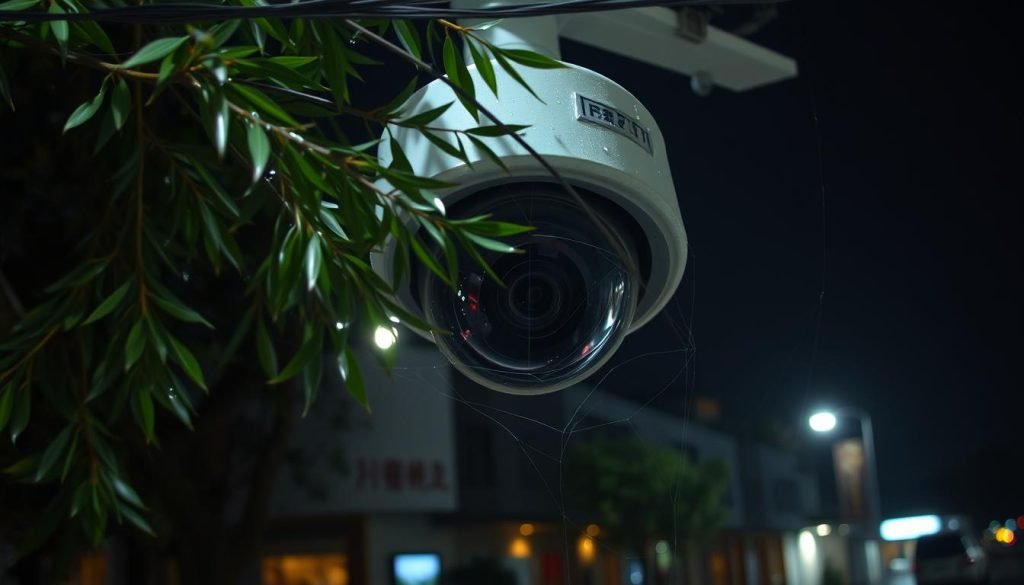
Security doesn’t stop when the sun goes down. In fact, most suspicious activity tends to happen after dark. That’s where night vision CCTV cameras come in. But how exactly do these cameras “see” in the dark?
In this article, we’ll explore how CCTV cameras operate at night, the technology behind their night vision, and how to choose the right setup for low-light environments.
Why Night Vision Matters
Imagine installing a camera that performs well during the day—but turns useless the moment it gets dark. That defeats the whole purpose of 24/7 surveillance.
Night vision cameras ensure consistent protection by capturing clear footage regardless of lighting conditions. They’re essential for:
- Home security
- Parking lot monitoring
- Business surveillance after hours
- Public safety in poorly lit areas
The Technology Behind Night Vision Cameras
Night vision in CCTV systems relies on several smart technologies. Here’s how they work:
1. Infrared (IR) Illumination
Most modern CCTV cameras use infrared LEDs to see in darkness. These LEDs emit invisible infrared light that bounces off objects in the camera’s view. The sensor then captures this reflected light, creating a clear black-and-white image.
- How far can they see?
It depends on the number and power of infrared LEDs. Some can cover up to 100 feet or more in complete darkness. - Why black and white?
Color detail is difficult to capture without visible light, so infrared footage is usually monochrome.
2. Low-Light Sensors (Starlight Technology)
Some high-end cameras come with starlight sensors that perform better in dim lighting without needing IR. These sensors are highly sensitive and can produce color footage in near-total darkness.
- Best for:
Areas with some ambient light (like street lamps or building lights).
3. Thermal Imaging (in specialized cameras)
Unlike regular night vision, thermal cameras detect heat instead of light. They visualize temperature differences, making them perfect for detecting people or animals in pitch-black settings.
- Common uses:
Military, wildlife monitoring, and high-security zones.
Day-to-Night Transition: How It Happens
Ever noticed how some cameras switch modes at dusk? This is automatic. CCTV systems often include light sensors that detect when ambient light drops. When it reaches a certain threshold, the camera activates night mode, turning on infrared LEDs or switching to low-light settings.
You might even hear a slight click—that’s the IR-cut filter moving to allow infrared light to reach the sensor.
Factors That Affect Night Vision Quality
Even the best night vision camera can struggle if conditions aren’t right. Here’s what can impact performance:
- Weather conditions: Fog, rain, or snow can reflect IR light and reduce visibility.
- Dirty lenses: Dust or smudges can scatter light and blur the image.
- Obstructions: Trees, glass, or wire fencing can bounce back IR light and cause glare.
- Distance: Subjects too far from the camera may not be clearly visible.
Tips for Better Night Surveillance
To ensure your CCTV system performs well after dark, keep these tips in mind:
- Choose a camera with a long-range IR if you need to monitor large spaces.
- For clearer images, consider starlight-enabled or dual-light cameras that offer both IR and visible lighting.
- Mount the camera in a spot with minimal light obstruction.
- Clean the lens regularly to prevent haze and glare.
Final Thoughts
CCTV cameras don’t sleep when you do—and thanks to night vision technology, they continue protecting your property even in total darkness. Whether it’s infrared LEDs, starlight sensors, or thermal imaging, each solution has its place depending on your needs.
Investing in the right type of camera ensures peace of mind, around the clock.