
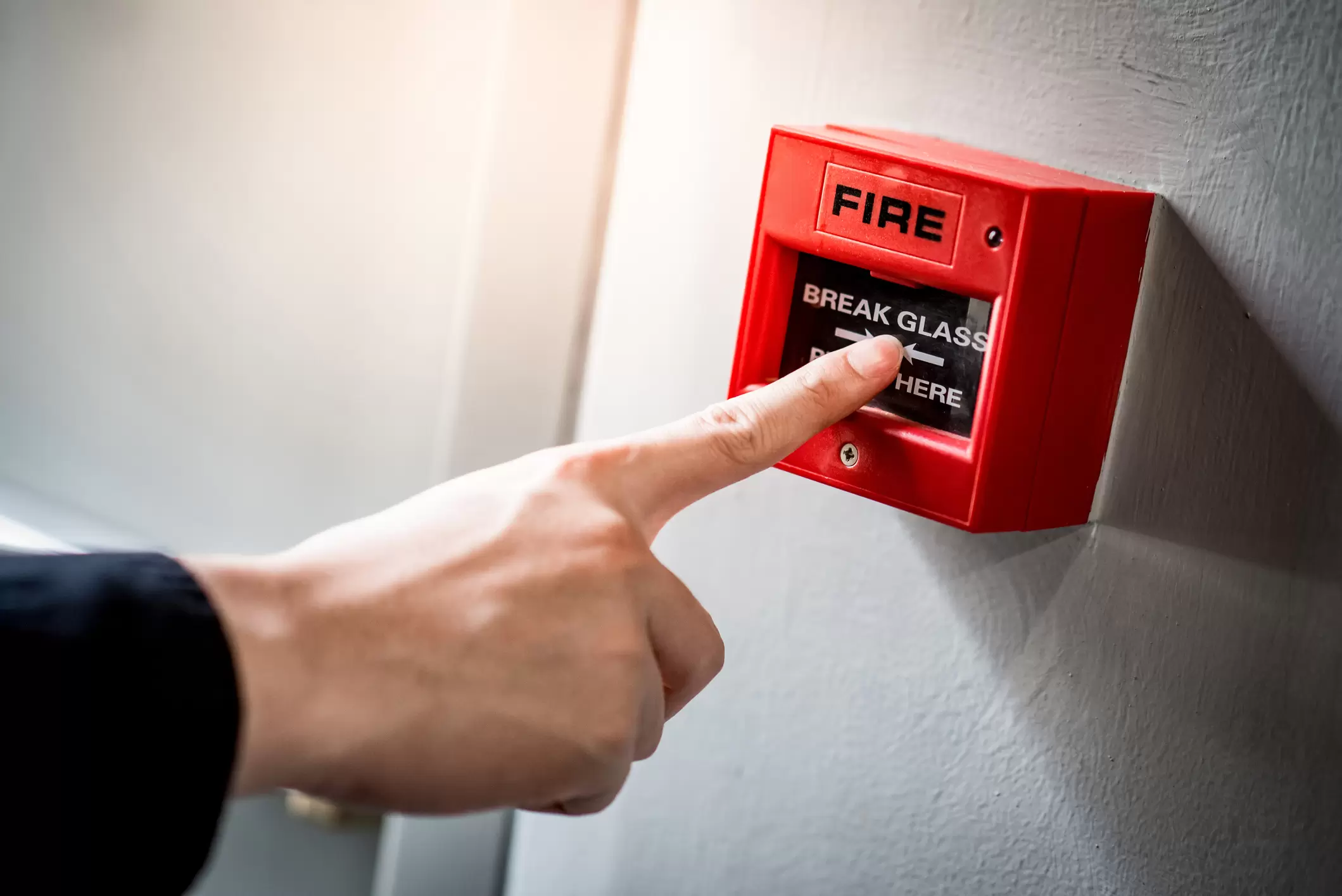
In an ideal world, fire would never break out in our homes or workplaces. However, we all know that accidents can happen, and the safety of our buildings, employees, and loved ones should never be left to chance. This is where fire alarm systems come in — acting as an early warning mechanism to detect fires before they escalate and give people the chance to evacuate safely.
In this blog post, we’ll discuss the importance of fire alarm systems, how they work, and why having a reliable fire alarm system is essential for any building, along with the additional value provided by services like Guru Service to ensure your fire alarm system is always up to date and compliant.
What is a Fire Alarm System?
A fire alarm system is a network of devices designed to detect and alert people to the presence of fire or smoke in a building. These systems work through a combination of smoke detectors, heat detectors, and manual pull stations to identify the earliest signs of a fire. Once a fire is detected, the system triggers alarms to notify building occupants and often sends notifications to emergency services, ensuring quick action.
How Does a Fire Alarm System Work?
A fire alarm system typically operates using one of two primary detection methods:
- Smoke Detectors: These devices detect smoke particles in the air, which are usually present in the early stages of a fire. There are two main types of smoke detectors: ionization (detects invisible smoke particles) and photoelectric (detects visible smoke).
- Heat Detectors: These sensors detect changes in temperature. If the temperature rises beyond a pre-set threshold, indicating the likelihood of a fire, the system will trigger an alarm.
Once a fire is detected, the system will alert those inside the building using sound (loud alarms or sirens), flashing lights, or other signals. In more advanced systems, notifications may also be sent to local fire departments or emergency services for faster response times.
Why is a Fire Alarm System Essential?
1. Early Detection Saves Lives
The most critical advantage of fire alarm systems is the ability to detect fires in their early stages. By identifying smoke or heat before a fire spreads, these systems give building occupants the vital time they need to evacuate safely. Early detection is the difference between a small, controllable fire and a devastating, uncontrollable blaze.
2. Fire Alarm Systems Minimize Property Damage
A properly functioning fire alarm system helps limit the extent of fire damage to your property. The faster a fire is detected, the quicker the emergency response team can arrive, extinguish the fire, and prevent it from spreading to other areas of the building. This not only saves lives but also reduces the financial impact of fire damage.
3. Legal Compliance and Insurance Benefits
In many countries, fire alarm systems are not just a recommendation but a legal requirement for commercial buildings, hotels, hospitals, schools, and other public spaces. Fire safety regulations are in place to ensure the well-being of building occupants. In addition to meeting legal obligations, a reliable fire alarm system can help reduce insurance premiums, as it lowers the risk of extensive property damage.
4. Protecting the People Who Matter Most
Whether it’s your family at home or your employees at work, the safety of the people inside your building is paramount. A fire alarm system acts as a first line of defense in protecting lives. In businesses, this is especially critical in maintaining a safe working environment and preventing workplace accidents that could lead to significant liabilities.
5. 24/7 Monitoring and Peace of Mind
With modern fire alarm systems, you no longer need to worry about whether your fire alarms are functioning properly. Many systems are now connected to 24/7 monitoring services, which ensure that any signs of smoke, heat, or fire are immediately addressed, even when no one is on-site. This peace of mind is invaluable for building owners, especially in large or commercial properties.
Types of Fire Alarm Systems
Depending on the needs of a building, there are different types of fire alarm systems available:
- Conventional Fire Alarm System: These are simpler systems often used in smaller buildings. The system divides the building into zones, and if a detector in a particular zone is triggered, the alarm will notify the entire area.
- Addressable Fire Alarm System: Common in larger buildings, these systems allow you to pinpoint exactly where the fire is located, as each detector has a unique address. This makes it easier to identify the specific area in need of attention.
- Wireless Fire Alarm System: Wireless systems are ideal for buildings where wiring isn’t feasible or would be too costly. These systems offer flexibility and ease of installation without compromising performance.
- Smart Fire Alarm System: A modern, advanced option, smart fire alarm systems can be connected to a mobile app, giving users the ability to monitor and control the system remotely. These systems often include real-time alerts and data analytics for ongoing fire safety monitoring.
How Guru Service Can Enhance Your Fire Alarm System
While having a fire alarm system is crucial, maintaining it to ensure it’s always functional and up to code is just as important. Guru Service offers comprehensive solutions to make sure that your fire alarm system stays in optimal working condition, including installation, regular testing, inspections, and compliance management.