
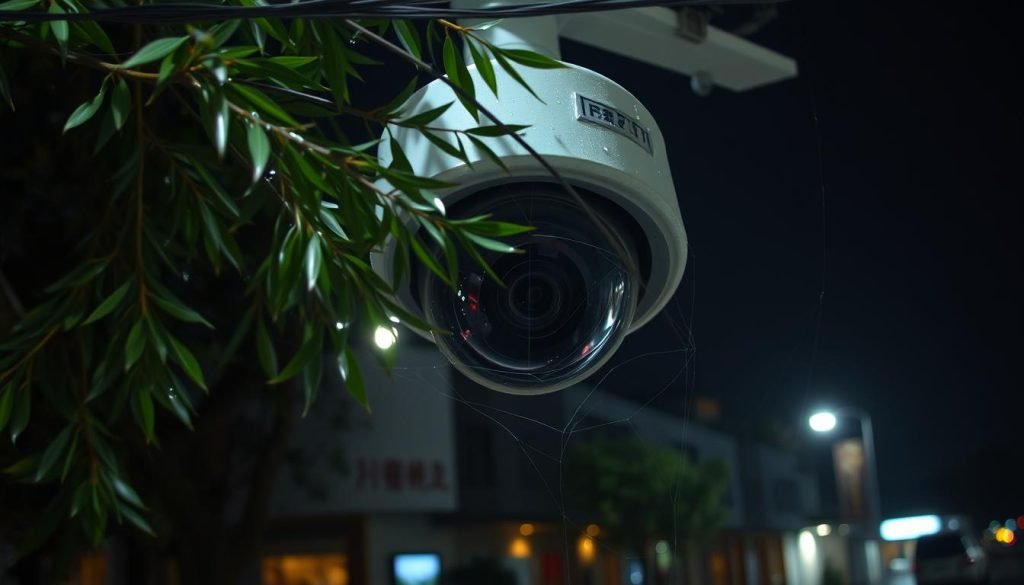
Security doesn’t stop when the sun goes down. In fact, most suspicious activity tends to happen after dark. That’s where night vision CCTV cameras come in. But how exactly do these cameras “see” in the dark? In this article, we’ll explore how CCTV cameras operate at night, the technology behind their night vision, and how to choose the right setup for low-light environments. Why Night Vision Matters Imagine installing a camera that performs well during the day—but turns useless the moment it gets dark. That defeats the whole purpose of 24/7 surveillance. Night vision cameras ensure consistent protection by capturing clear footage regardless of lighting conditions. They’re essential for: The Technology Behind Night Vision Cameras Night vision in CCTV systems relies on several smart technologies. Here’s how they work: 1. Infrared (IR) Illumination Most modern CCTV cameras use infrared LEDs to see in darkness. These LEDs emit invisible infrared light that bounces off objects in the camera’s view. The sensor then captures this reflected light, creating a clear black-and-white image. 2. Low-Light Sensors (Starlight Technology) Some high-end cameras come with starlight sensors that perform better in dim lighting without needing IR. These sensors are highly sensitive and can produce color footage in near-total darkness. 3. Thermal Imaging (in specialized cameras) Unlike regular night vision, thermal cameras detect heat instead of light. They visualize temperature differences, making them perfect for detecting people or animals in pitch-black settings. Day-to-Night Transition: How It Happens Ever noticed how some cameras switch modes at dusk? This is automatic. CCTV systems often include light sensors that detect when ambient light drops. When it reaches a certain threshold, the camera activates night mode, turning on infrared LEDs or switching to low-light settings. You might even hear a slight click—that’s the IR-cut filter moving to allow infrared light to reach the sensor. Factors That Affect Night Vision Quality Even the best night vision camera can struggle if conditions aren’t right. Here’s what can impact performance: Tips for Better Night Surveillance To ensure your CCTV system performs well after dark, keep these tips in mind: Final Thoughts CCTV cameras don’t sleep when you do—and thanks to night vision technology, they continue protecting your property even in total darkness. Whether it’s infrared LEDs, starlight sensors, or thermal imaging, each solution has its place depending on your needs. Investing in the right type of camera ensures peace of mind, around the clock.
How Do CCTV Cameras Work? A Beginner’s Guide to Surveillance Technology
In today’s fast-paced world, security has become more important than ever. Whether it’s for homes, businesses, or public spaces, CCTV cameras play a crucial role in keeping areas safe and monitored. But have you ever stopped to wonder how CCTV cameras actually work? In this article, we’ll break it down in simple terms—no tech jargon, just clear answers. What is a CCTV Camera? CCTV stands for Closed-Circuit Television. Unlike broadcast television, it doesn’t send signals publicly. Instead, the footage is transmitted to specific monitors or recording systems, making it a closed loop—hence the name. These cameras are commonly used for: The Core Components of a CCTV System A standard CCTV system consists of the following parts: 1. Camera The eyes of the system. Cameras capture visual data, either in black and white or color, and can work in low-light conditions if equipped with infrared (IR) technology. 2. Lens The lens focuses light onto the image sensor. Different lenses offer various zoom levels and angles, allowing users to monitor wide areas or zoom in on specific spots. 3. Image Sensor Once light passes through the lens, it hits the image sensor—either CCD (Charge Coupled Device) or CMOS (Complementary Metal Oxide Semiconductor). This sensor converts light into electrical signals. 4. Digital Video Recorder (DVR) or Network Video Recorder (NVR) Both record and store footage for later viewing. 5. Monitor To view live or recorded footage, a monitor is connected to the system. It can be a computer screen, TV, or even a mobile device. How the System Works Step by Step Here’s a simplified breakdown of how a CCTV camera system functions: Types of CCTV Cameras CCTV isn’t one-size-fits-all. Here are a few common types: Benefits of Using CCTV Cameras Final Thoughts Understanding how CCTV cameras work doesn’t require a tech degree. It’s all about capturing, transmitting, and storing visual data for security purposes. Whether you’re considering installing a system at home or just curious about how surveillance technology functions, knowing the basics can help you make informed decisions.
What CCTV Camera is Best in Pakistan?
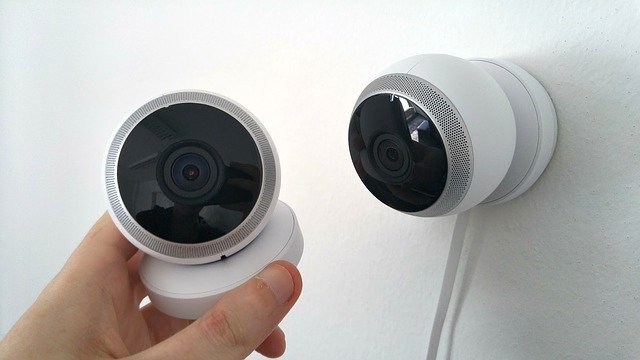
When it comes to choosing the best CCTV camera in Pakistan, it depends on your needs, budget, and the area you want to monitor. Many people get confused because there are so many brands and options available in the market. Let’s break it down simply so you can make the right decision. 1. Dome Cameras Best for indoor use such as offices, shops, and schools. They blend well with the ceiling and give wide coverage. 2. Bullet Cameras Best for outdoor use. They are visible and act as a deterrent against theft. Great for homes, streets, and parking areas. 3. PTZ Cameras (Pan-Tilt-Zoom) These cameras allow you to zoom in and rotate. Mostly used in big areas like factories, malls, and warehouses. 4. Wireless CCTV Cameras Easy to install and good for small homes or offices. No need for long wiring, but you need a strong internet connection. Popular CCTV Brands in Pakistan How to Choose the Best Camera? Final Tip Always buy from trusted sellers in Pakistan and make sure you get after-sales service and installation support. Cheap cameras may look attractive but often fail in low light or stop working after a few months.
How to Know if CCTV Camera is On or Not | Gurus Service
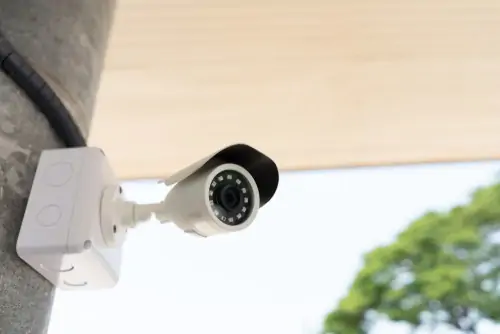
If you have installed a CCTV system in Islamabad or Rawalpindi, you may sometimes wonder: Is my camera really working? Checking whether your CCTV camera is on or off is essential for security, monitoring, and peace of mind. Here are the most common ways to confirm if your camera is active. Signs That a CCTV Camera is On LED Indicator Lights Most modern CCTV cameras, including Hikvision, Dahua, and Uniview, have small LED lights. Infrared (IR) Glow at Night At night or in a dark room, you may notice a faint red glow around the lens. This means the infrared LEDs are active, showing that the camera is on and providing night vision. Camera Movement (PTZ Models) Pan-Tilt-Zoom (PTZ) cameras often reset or rotate when powered up. If your camera moves after being connected to power, it is active. DVR/NVR or Mobile App Check Open your DVR, NVR, or mobile viewing app. If the live feed is visible, your CCTV camera is working and recording properly. Network and Power Cables For IP cameras, checking your router or network switch helps. If the data light is blinking, the camera is sending signals and is active. Why It Matters Making sure your CCTV cameras are always on helps you: Why Choose Gurus Service? Gurus Service offers professional CCTV installation and support in Islamabad and Rawalpindi. We provide: Call to Action Ensure your cameras are always running. Contact Gurus Service today for expert CCTV installation and maintenance in Rawalpindi and Islamabad. Get a free consultation and keep your property protected.
Do CCTV Cameras Have to Be Visible? | Gurus Service
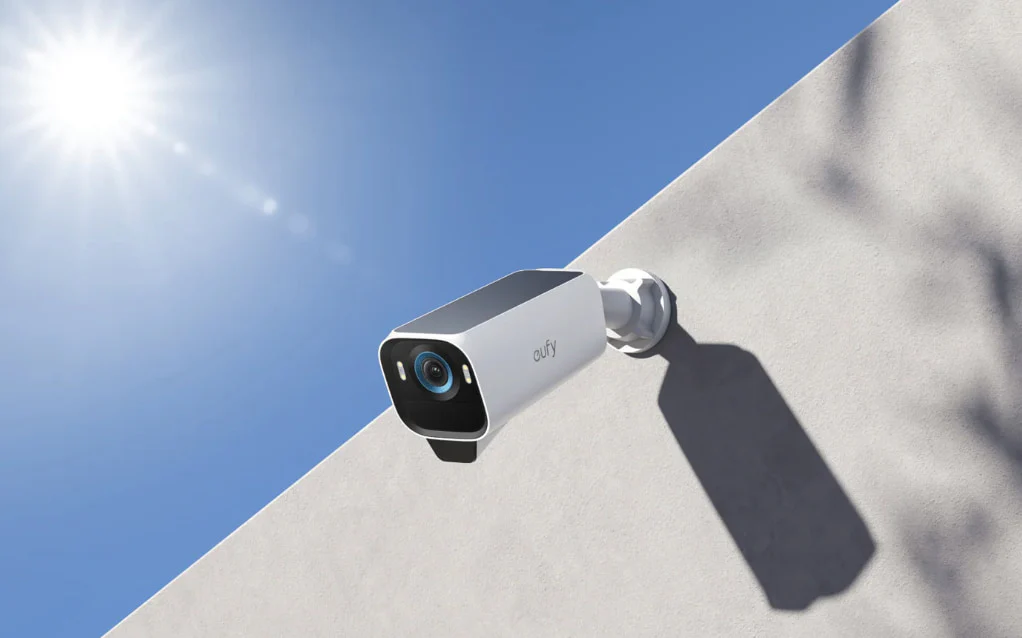
When setting up a CCTV system in Islamabad or Rawalpindi, many people ask: “Do CCTV cameras have to be visible?” The short answer is no – CCTV cameras can be either visible or hidden, depending on your purpose and legal requirements. Both options have their advantages, and choosing the right setup depends on what you want to achieve. Visible CCTV Cameras Visible cameras act as a strong deterrent. When people see a camera, they are less likely to commit theft, vandalism, or other crimes. Businesses, shopping malls, banks, and offices in Pakistan often prefer visible CCTV because it provides both security and reassurance. Benefits of Visible Cameras: Hidden CCTV Cameras Hidden or discreet CCTV cameras are installed in a way that people cannot easily see them. These are often used in sensitive areas where monitoring without drawing attention is required. For example, in warehouses, homes, or during investigations. Benefits of Hidden Cameras: Helps monitor employee or visitor behavior discreetly Provides extra security at home without affecting design Useful for preventing internal theft in businesses Important: In Pakistan, businesses should inform employees or the public that CCTV is in use, even if the cameras are not easily visible, to avoid privacy concerns. What Works Best? Why Choose Gurus Service? At Gurus Service, we specialize in CCTV installation in Islamabad & Rawalpindi, offering:Branded solutions from Hikvision, Dahua, and UniviewInstallation of both visible and hidden CCTV systemsStructured cabling, setup, and maintenance Affordable packages for homes, shops, offices, and large organizations Call to Action Looking to install a CCTV system that matches your needs? Contact Gurus Service today for expert CCTV installation in Islamabad & Rawalpindi. Get a Free Quote and secure your property with the right solution.
Does CCTV Camera Record Without Electricity?
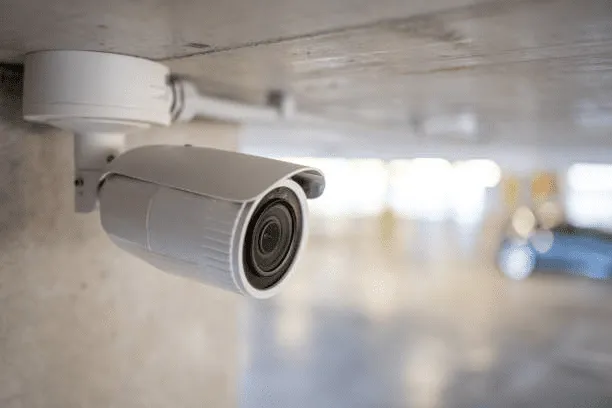
CCTV cameras have become an essential part of home and business security in Pakistan. They help you keep an eye on your property, record incidents, and provide evidence if something goes wrong. But one common question people ask is: does a CCTV camera record without electricity? The short answer is no, regular CCTV cameras cannot work without power. Just like any other electronic device, they need electricity to run. However, there are ways to make sure your system keeps recording even when there is a power cut. Let’s break this down in simple terms. Why CCTV Cameras Need Power CCTV cameras are made up of electronic parts like lenses, sensors, night vision LEDs, and processors. All these parts need electricity to function. Without power: So, if your home or office faces frequent power outages, you need a backup solution to keep your system active. How to Record CCTV During Power Cuts Even though cameras need power, you can still make them work during load shedding or unexpected outages by using backup options. 1. UPS (Uninterruptible Power Supply) A UPS is the most common way to keep CCTV running during electricity failure. It provides short-term backup (usually 30 minutes to a few hours), enough to cover short outages. 2. Battery Backup Systems Some modern CCTV systems come with built-in battery backup. These are very handy for homes because they don’t need extra devices. 3. Solar Powered CCTV Cameras If you live in an area with long power cuts, solar CCTV cameras are a good option. They use solar panels and batteries to stay active all day and night. 4. Generator Support For larger businesses, generators are often used. Once the generator turns on, the CCTV cameras continue recording without interruption. How Long Can CCTV Record Without Power? The answer depends on the type of backup you’re using: So, while the camera itself needs power, your choice of backup system decides how long it will keep recording. Why Backup Power Is Important Final Words So, does a CCTV camera record without electricity? The camera itself cannot, but with the right backup system like UPS, batteries, solar panels, or generators, you can make sure your cameras keep working no matter what. If you live in Rawalpindi or Islamabad, the good news is you don’t have to figure this out on your own. Secure Your Home with Guru Service At Guru Service, we specialize in installing CCTV cameras with proper backup solutions so your home or office stays protected even during load shedding. Our experts can guide you on the best cameras and backup setups according to your budget. Call Guru Service today for a free consultation and make your property safe 24/7.
Which CCTV Camera is Good for Home?
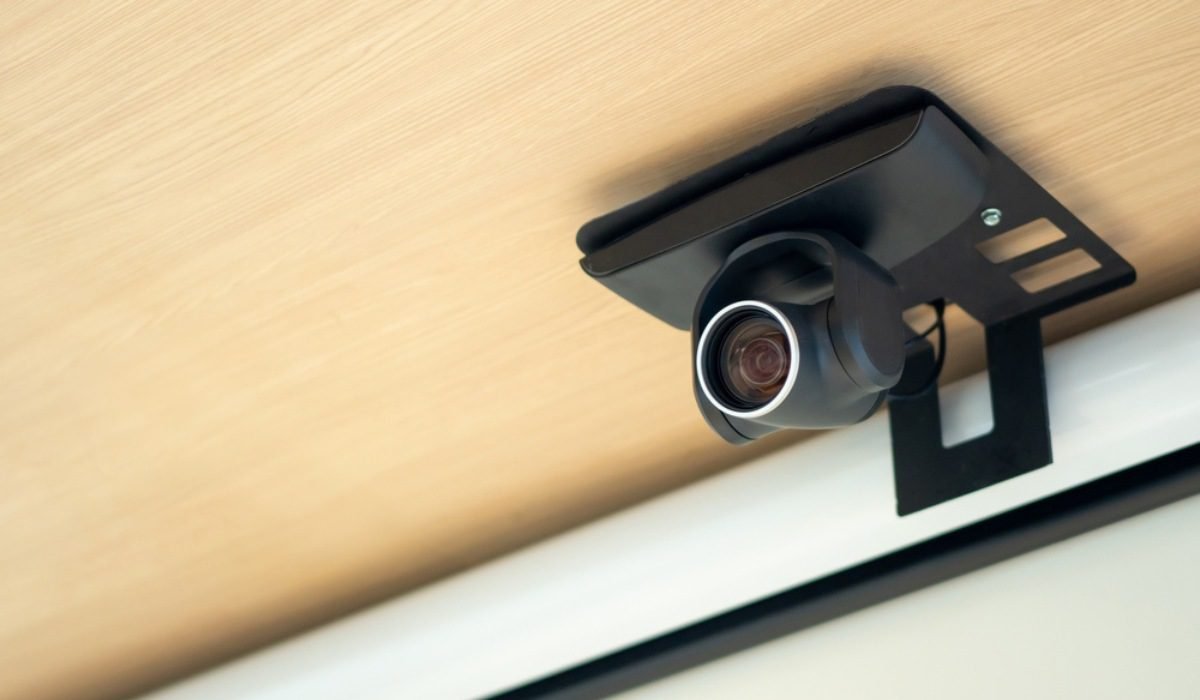
Protecting your home is one of the most important things you can do, especially outside in places like the gate, parking, garden, or around the perimeter. A good outdoor camera helps you keep an eye on things 24/7. But with so many models, specs, and brands, choosing the right one can feel overwhelming. Let’s walk through what to look for and some good options. What Features Matter Most When picking a camera for your home (especially outdoors), here are the most important features to check: Top Brands & Good Models in Pakistan Based on local reviews & availability, here are some of the names people trust and models that are often recommended: Some model examples people like: Which Camera Is Best for Your Home To choose the best, consider: Good Choice Suggestion If I were to pick one camera for many homes in Rawalpindi or Islamabad — something balanced, reliable, good outdoors — I’d go for an IP camera with at least 2-4MP resolution, strong night vision, weatherproof casing (IP65-66 or more), mobile access, and maybe PTZ or wide-angle so you cover more area. A well-known brand helps with warranty and service. What You Should Do Next If you’re looking to get a camera soon: Let Guru Service Help You Get It Right If you’re in Rawalpindi or Islamabad and want expert guidance, Guru Service can help you select the best home-outdoor camera for your needs. We visit your property, recommend the right brand & model, install it correctly, and set it up for mobile viewing + alerts. Call Guru Service today for a free estimate and get reliable CCTV installation that gives you peace of mind.
Which CCTV Camera is Best for Home Outdoor?
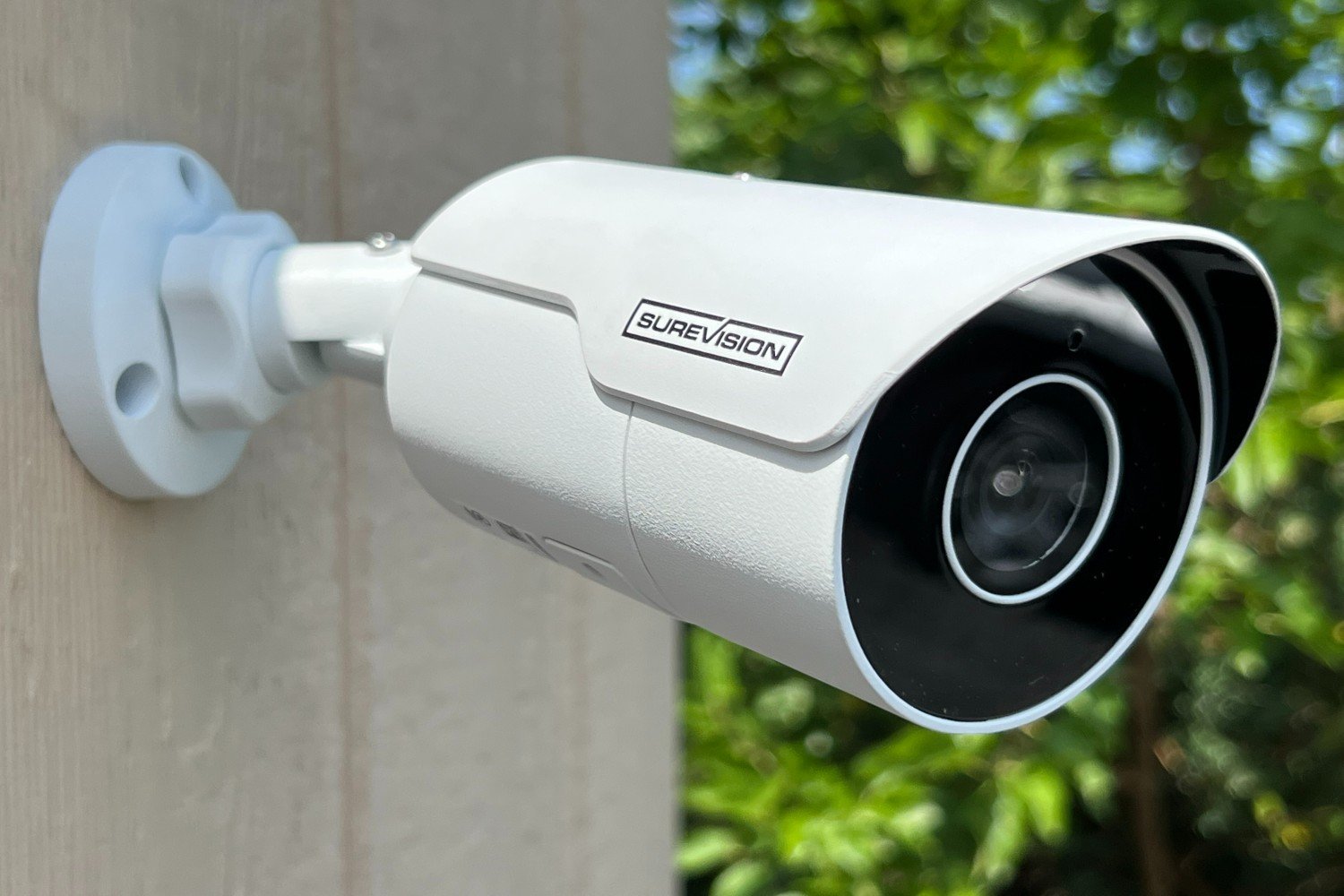
Securing your home doesn’t just mean locking doors and windows. Outdoor areas such as gates, porches, driveways, and gardens also need proper surveillance. This is where outdoor cameras play a major role. But with so many brands and models available, many homeowners ask: Which CCTV camera is best for home outdoor? Let’s go step by step so you can make the right choice. Why Outdoor Security Cameras Matter Outdoor cameras are the first line of defense for your home. They: Unlike indoor cameras, outdoor models face harsh weather conditions and need to work day and night. That’s why it’s important to choose wisely. Features You Should Look For When buying an outdoor camera, keep these features in mind: 1. Weather Resistance Outdoor devices should handle rain, dust, and heat. Look for cameras with an IP65, IP66, or IP67 rating. 2. Night Vision Most incidents happen in low light. Choose cameras with infrared LEDs or color night vision for clear footage after dark. 3. High Resolution A higher resolution means sharper images. At least 2MP (1080p) is basic, but for better clarity go with 4MP or 5MP. 4. Viewing Angle and PTZ Wide-angle or PTZ (Pan-Tilt-Zoom) cameras cover more area, reducing blind spots. Perfect for driveways or large outdoor spaces. 5. Storage Options Some cameras record directly to a DVR/NVR, while others save footage to the cloud or memory card. A good system should have both. 6. Mobile Access Make sure your camera connects with a mobile app. Remote monitoring lets you check live footage even when traveling. Recommended Outdoor CCTV Cameras Now that you know what to look for, here are some excellent outdoor options available in Pakistan: Each of these models has its strengths. The right one depends on your space, budget, and level of security you want. Which One Should You Choose? The best CCTV camera for your home outdoor use is one that balances your budget, security needs, and ease of monitoring. Final Thoughts So, which CCTV camera is best for home outdoor? The answer depends on your space and requirements. Always choose a weatherproof camera with strong night vision, good resolution, and mobile connectivity. These features ensure your home remains protected around the clock. Secure Your Home with Guru Service Looking for the perfect CCTV setup for your house in Rawalpindi or Islamabad? Let Guru Service handle it for you. We provide professional installation, guide you in choosing the right cameras, and ensure smooth mobile access so you can watch live footage anytime. Call Guru Service today and get expert outdoor CCTV installation for your home. Protect your family and property with trusted professionals.
Where Can I Watch Live CCTV Cameras?
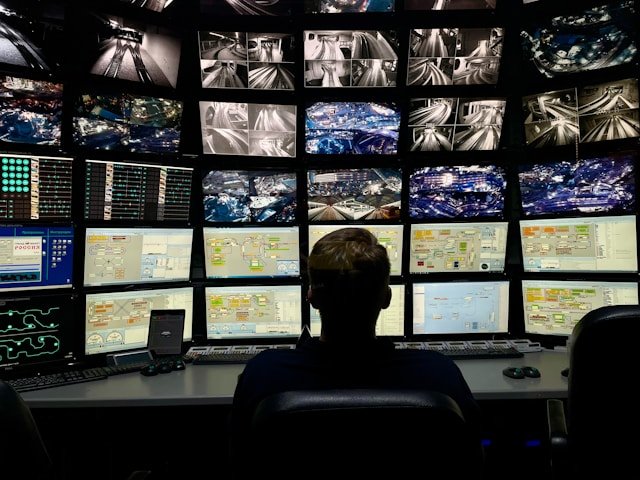
Technology has completely changed how we monitor and protect our homes, offices, and businesses. With modern systems, you no longer need to sit in front of a TV screen to check your security footage. Instead, you can easily access live feeds anytime, anywhere. But the real question is: Where can I watch live CCTV cameras? Let’s break it down in simple terms. 1. On Your Smartphone The most popular and convenient way is through your mobile phone. Almost every CCTV brand offers a free app that lets you connect your system to your smartphone. Whether you are traveling or sitting in another room, you can open the app and instantly see live footage. This option is perfect for people who want 24/7 monitoring without being tied to one location. 2. On a Computer or Laptop If you’re working at a desk, you can also watch live footage on your computer or laptop. Many DVRs (Digital Video Recorders) and NVRs (Network Video Recorders) come with software for PCs. Benefits include: 3. On a Connected TV or Monitor Traditional setups still work with dedicated monitors or even regular TVs. The DVR or NVR can be connected directly to a screen, allowing real-time viewing. This option is often used in shops, offices, or large properties where continuous monitoring is required. 4. Through Cloud Services Some modern CCTV systems offer cloud storage and streaming options. This means the video is uploaded to secure servers, and you can log in with your account to view it from anywhere. 5. Public CCTV Cameras In some cases, you can watch live feeds from public surveillance systems, such as traffic cameras provided by city authorities. These are usually available through government websites or apps. However, access is limited and mainly for traffic updates rather than security monitoring. Which Option Should You Choose? Final Thoughts So, where can I watch live CCTV cameras? The answer is: on your smartphone, computer, monitor, or through cloud services—depending on your needs. With so many options available, you can stay connected to your property no matter where you are. Secure Your Space with Guru Service If you live in Rawalpindi or Islamabad and want a professional CCTV setup that works seamlessly on your mobile and computer, Guru Service is here to help. Our expert team installs and configures everything for you, so you can watch live footage without any hassle. Call Guru Service today and get a reliable CCTV installation for your home or business. Protect what matters most, anytime and anywhere.
Difference Between CCTV Camera and Webcam
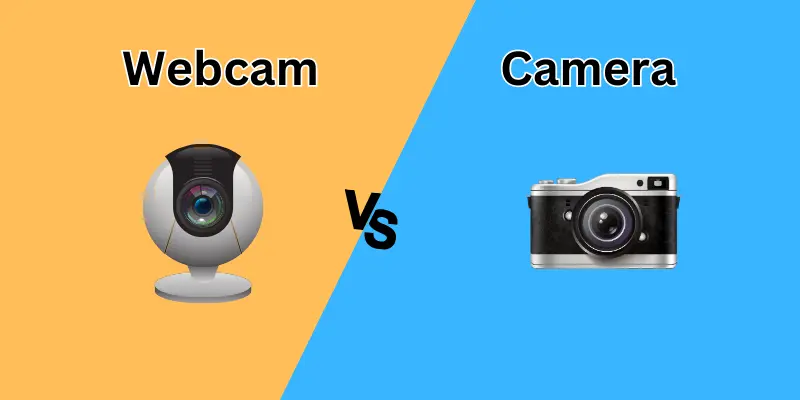
In today’s digital age, cameras are everywhere. From securing our homes and offices to connecting with friends and colleagues online, different types of cameras serve unique purposes. However, many people often get confused between two common options: CCTV cameras and webcams. To clear the confusion, let’s discuss the difference between CCTV camera and webcam in simple words. What is a CCTV Camera? A CCTV (Closed-Circuit Television) camera is primarily designed for security and surveillance. It records or streams video to a DVR, NVR, or cloud system and is usually monitored either on-site or remotely through a mobile app. CCTV cameras can be used indoors and outdoors, and they come in different types such as dome, bullet, PTZ, and IP cameras. Key features of CCTV cameras: What is a Webcam? A webcam is a small digital camera connected to a computer or laptop, often through a USB port. It is mainly used for video calling, streaming, or online meetings rather than security. Modern laptops already come with built-in webcams. Key features of webcams: Major Differences Between CCTV Camera and Webcam Here’s a simple breakdown to highlight the differences: Feature CCTV Camera Webcam Purpose Security & monitoring Video calls, online meetings, streaming Connection Works independently with DVR/NVR or Wi-Fi Needs computer or laptop Internet Optional (can record locally) Mandatory for most uses Storage DVR, NVR, or cloud storage No storage (depends on computer) Durability Built for 24/7 use, indoor & outdoor For indoor use only Special Features Night vision, motion detection, remote access Basic camera, no security features Which One Should You Choose? Both serve important purposes but are designed for completely different needs. Final Thoughts To sum up, the main difference between CCTV camera and webcam lies in their purpose and functionality. CCTV cameras are built for long-term security and monitoring, while webcams are meant for communication and short-term use. Understanding this difference helps you choose the right device for your needs. Need a Professional CCTV Setup? If you’re planning to secure your home, office, or shop in Rawalpindi or Islamabad, Guru Service is here to help. We provide expert CCTV camera installation and configuration, ensuring that your property stays protected 24/7. Call Guru Service today for the most reliable CCTV solutions in your area and keep your loved ones and business safe.